
OR A STREAM OF CONSCIOUSNESS THAT I DON’T KNOW HOW ELSE TO TITLE!
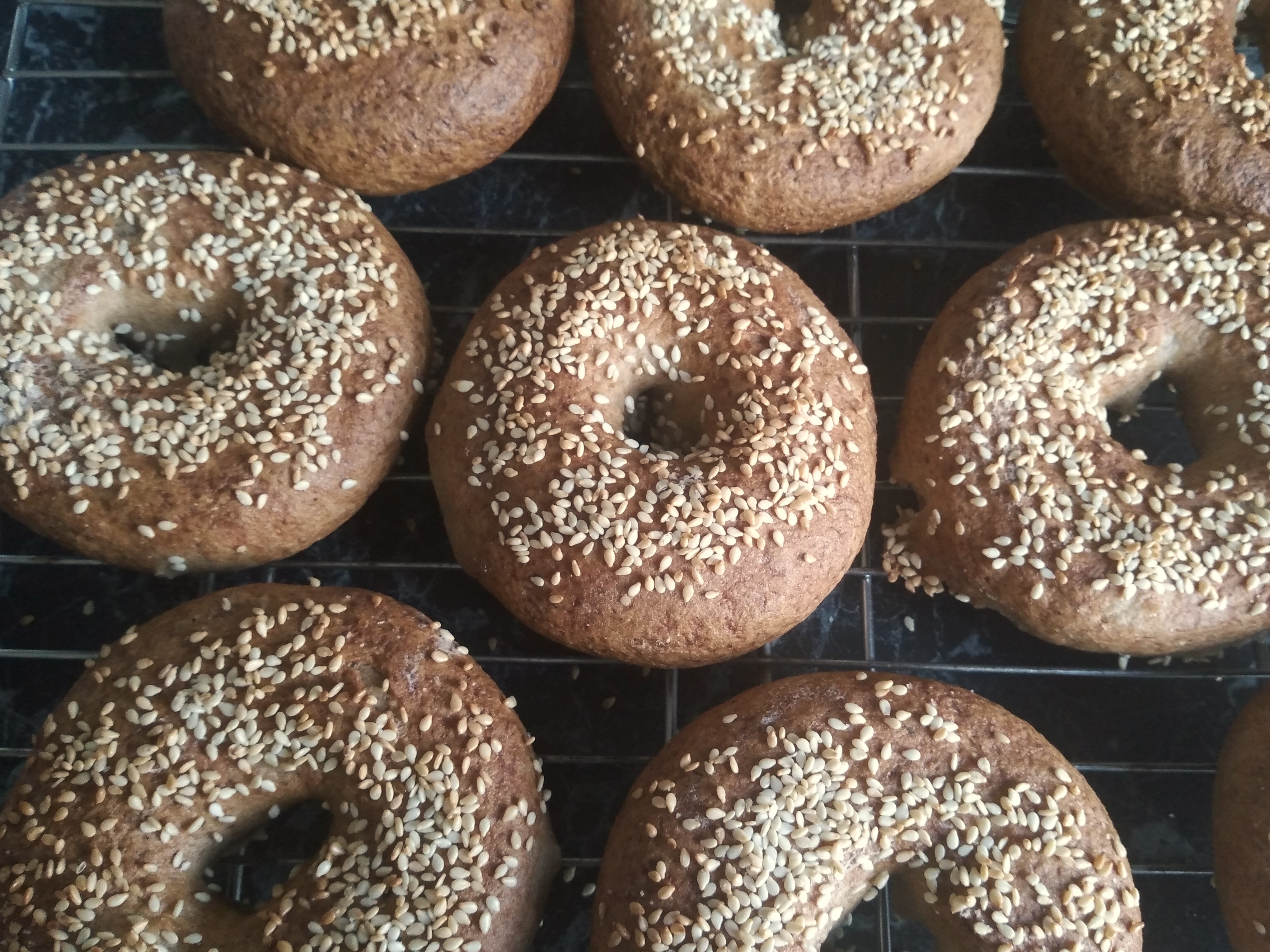
Glutenous baking comes in many tastes, textures, sizes and shapes. There is a vast abundance of different breads and cakes and muffins and pancakes and pastas. Making a glutenous bread? You might think it is just flour, yeast, salt and water…but no – the type of flour makes a difference, the amount of water makes a difference, the extra add-ins make a difference. There is no one type of bread and different people like different breads for different reasons. In the same way, different people like different gluten free breads for different reasons. Every so often, I see questions or comments about the best shop-bought gluten free bread come up on some of the coeliac disease and gluten free Facebook pages that I am on and often some people will rave about a bread that others despise. So, while very few people like very dry and crumbly bread or stodgy and gummy bread, my ‘best gluten free bread ever’ may not be your ‘best gluten free bread ever’. There is an art to baking and cooking and a big part of it is understanding what suits your preferences.
I sometimes wonder if understanding how to harness the potential of different ingredients and techniques to create food that suits one’s preferences has been lost with the advent of modern recipe books with their very specific and scientific instructions. They differ enormously from cookbooks of the past, where sometimes only the vaguest list of ingredients and directions were given and it was up to the cook or baker to put it all together into a tasty, edible dish. I agree that cooking and baking is science, but it is also art and sometimes the art aspect can be lost in the desire for perfection or a lack of confidence.
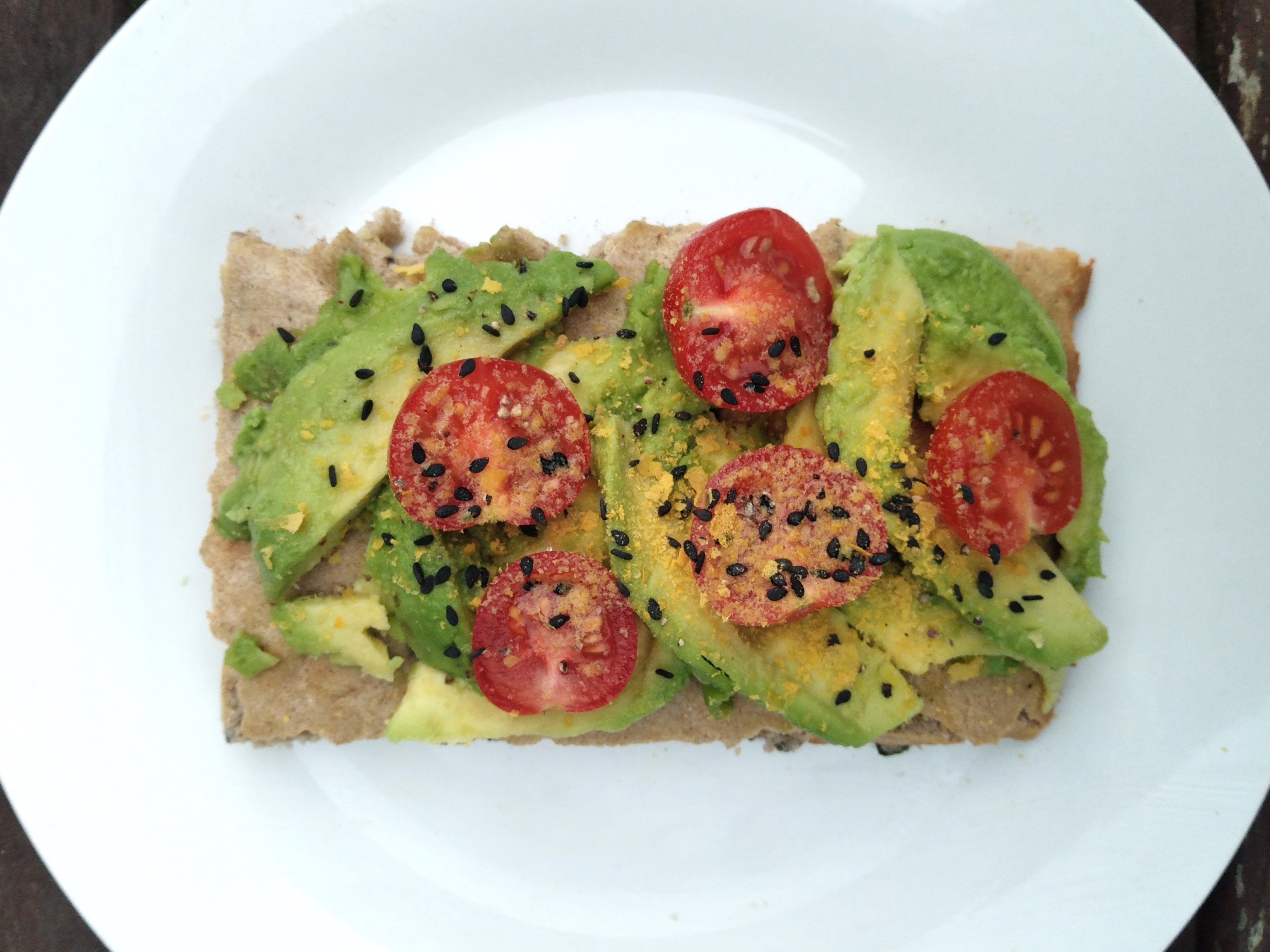
There are many reasons a recipe might not work, including ingredients which are dynamic and changing. Even something as simple as ‘room temperature water’ will not work uniformly in a recipe regardless of where in the world you are – room temperatures (even in my own kitchen) change and vary across a day and by season, the amount of moisture already in the other ingredients being used will vary, impacting the amount of added water that might be required, and measuring cups and even scales in ordinary home kitchens are unlikely to be calibrated to the nearest millilitre. Flour (or white rice flour if we’re talking gf baking!) is milled to different degrees of fineness by different companies and may have absorbed different amounts of moisture from the air around it before you even start to bake with it, depending on atmospheric conditions and where and how it is stored. These things will impact the final bake. Combining the art of cooking and baking with the science will help you to deal with the natural variations in environments and ingredients and still come up with great food.
I understand that cooking, and especially baking, gluten free is daunting and mistakes are expensive. Extra creativity may be needed to make use of the inevitable failures. Sweet baking, like biscuits/cookies and cakes can be used as a base for trifles, blitzed into crumbs (dry them in the oven first if needed) as a base for cheesecakes and tarts or topping for crumbles, or mixed with milk and other add-ins to make milkshakes. Savoury baking like bread or muffins can be recycled into croutons and breadcrumbs. As you become more familiar with ingredients, your confidence in rectifying problems will grow, as will your confidence to alter the recipe to better suit your tastes and preferences. You’ll probably learn a lot more from a couple of failures (and working out why they failed) than from multiple successes!
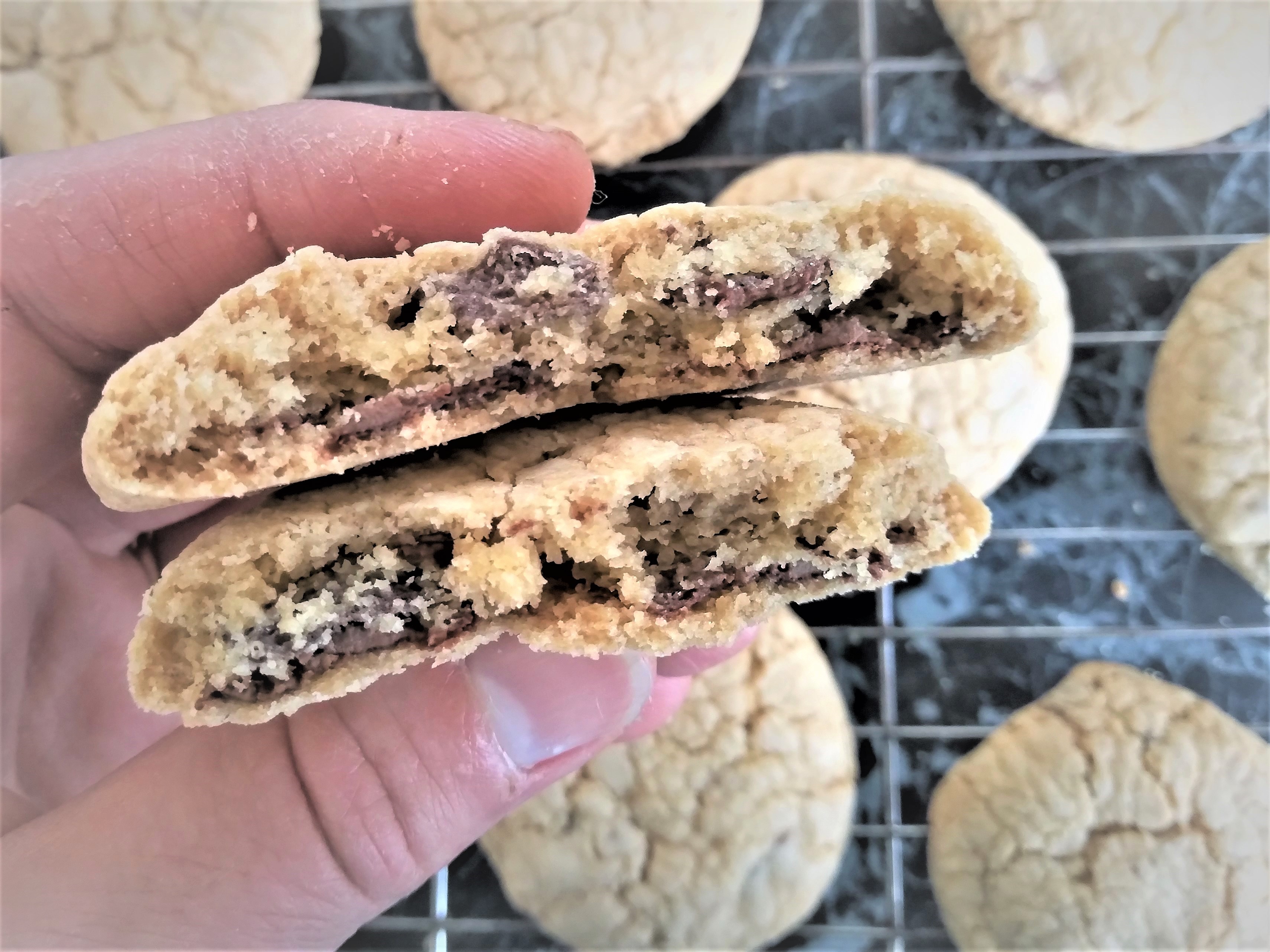
I am a busy Mum with small children. Before being diagnosed with coeliac disease, I made bread very occasionally for fun, but relied heavily on shop-bought bread for toast for breakfast, sandwiches for lunch, and for quick dinner options. Cheap, nutritious shop-bought bread along with many other convenient, quick options are one of the things I have missed the most since my coeliac diagnosis. Now I feel like I spend disproportionate amounts of time each day in the kitchen. For the most part, I do enjoy being in the kitchen (apart from the cleaning up!) and it is like therapy for me. But, when it comes to making staples, like bread, I want the process to be as quick and easy as possible. For that reason, most of the bread recipes that I post on this website follow a ‘dump it all in the bowl and mix’ method. This is made possible through lots of use of instant, dried yeast, but if you can’t get that or think your yeast is getting old, you will need to activate your yeast before starting baking – to do that just mix the yeast and sugar in some or all of the liquid in the recipe, give it at least 5 minutes to make sure it is bubbly and alive, and, if so, then proceed with the recipe.
Ease was also why I used to be a strong proponent of measuring ingredients by volume (using cups) rather than by weight (using scales) – it feels easier to me to use cups than to fuss around with a scale getting exactly the right grams of an ingredient. However, I am now starting to lean towards measuring by weight over measuring by volume for two reasons. First, it allows greater flexibility in terms of how much of an ingredient is added to a recipe – it is much easier to measure an additional 4 grams than to try work out an unusual fraction of a teaspoon! Second, having now watched friends and participants in a workshop I ran measure by cups, I have realised that there is just too much variability in how different people measure by cups for that to be a reliable way to list ingredients for most recipes. For this reason, you’ll probably notice that my older recipes are in cups whereas my newer recipes are given with weight measures, except where I don’t think the different will be significant to the final dish. When measuring by volume it is important to follow the correct procedure so that the measurement is as accurate as possible – to do this, spoon the ingredient into the cup measure until it is overflowing, and then level off the ingredient with the back of a spoon or a butter knife instead of just scooping up the ingredient directly with the cup measure. In gluten free baking, accurate measurements tend to be quite important (although you can vary them as you become more confident); in cooking, they are less important and I’d suggest using my ingredient lists as a guide rather than an absolute and then adjusting the ingredients according to your preferences and the ingredients readily available to you.
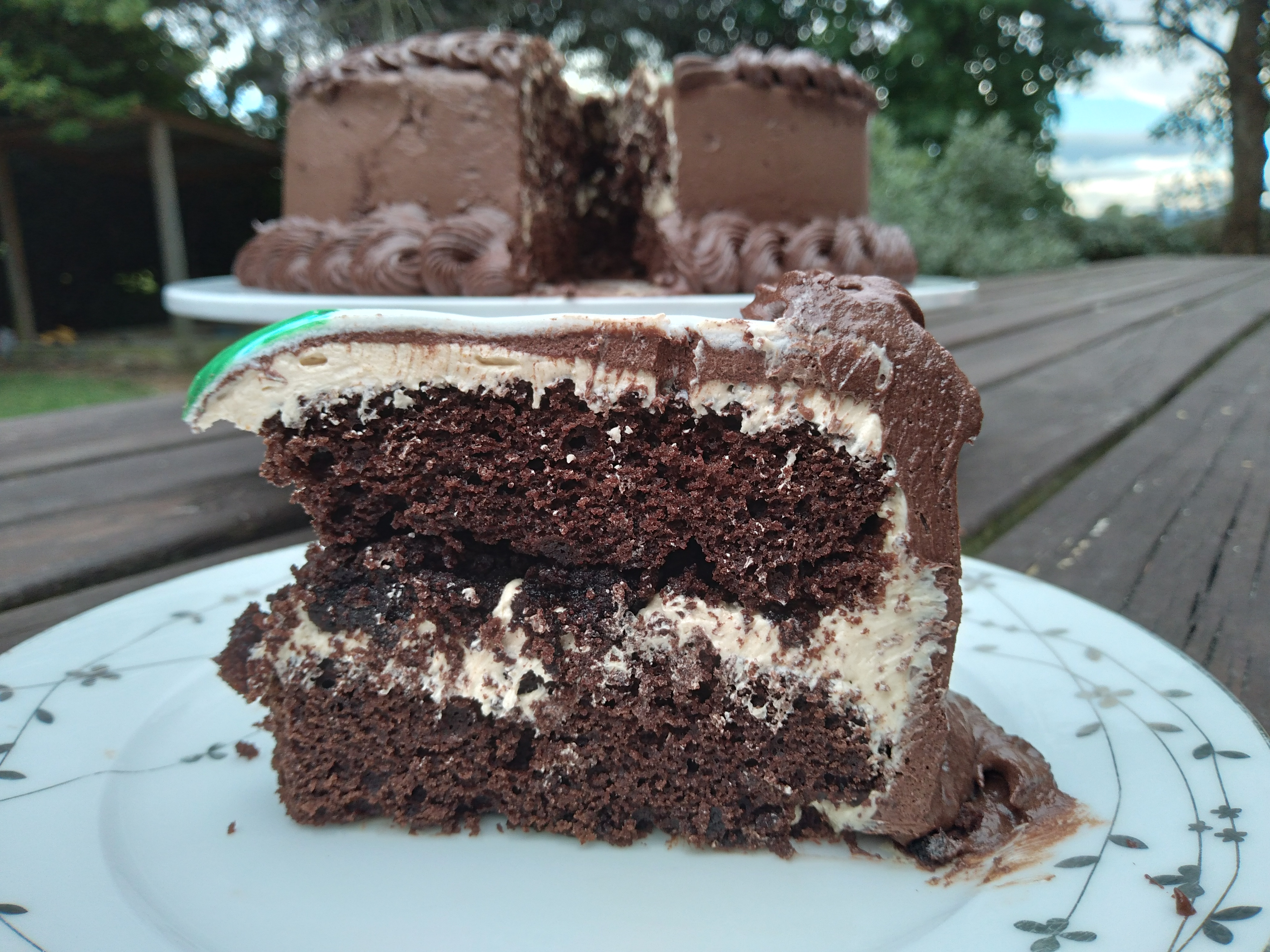
One thing that does take more time is my choice to use individual gluten free flours and starches, instead of store-bought pre-mixes. I have a few reasons for this. First, although a single pre-blended flour can be easier, I like being able to fine-tune my end result by mixing up the flours and starches according to my needs and preferences for a particular recipe. Although this may involve more measuring than using a pre-blended flour, I generally add all the flours/starches at the same time to a recipe and so the amount of extra time is relatively minimal. The second reason is that there is huge variation in shop-bought blends within and between different countries and every blend uses different flours and starches as their base – for example, some are based primarily on rice flour whilst others are based primarily on cornflour (also called cornstarch in some countries). This difference can vastly affect the final product. By creating mostly recipes that use individual flours instead of a blend, I hope to make my recipes more accessible to people in different countries, instead of just those who can access the specific pre-blends that I might have access to. Third, the gluten free diet, and in particular gluten free pre-blended flours and baking, often relies heavily on very refined flours and starches. Whilst I use these often and find them useful, I don’t want that for the bulk of my daily diet – blending my own flours and starches as I bake gives me more flexibility to incorporate more fibre into my baking when it is appropriate for the dish I have in mind. Finally, most pre-blended flours seem to include different amounts of xanthan gum (a substitute for gluten, for those who don’t know) which can make it difficult to get consistent results with the same recipe and difficult to know how much added xanthan gum to specify in a recipe. I am also not a big fan of xanthan gum and the texture it gives to baking so prefer not to use it most of the time. In its place, I tend to prefer extra eggs and fats in sweet baking and binders such as psyllium husk, flax seeds and chia seeds in savoury baking like breads. I do use it, however, when I think it is needed for the best result.
There are loads of resources with information about ingredients and techniques, online and in print – the more you understand about the science, the better your foundation for turning your cooking and baking into art!


 Some, Some and Some